
 Translate
Sewer rate and capacity charge
How is the sewer rate and capacity charge set?
What are the sewer rate and capacity charge?
- The sewer rate is a monthly amount the King County Wastewater Treatment Division (WTD) charges to the 34 sewer agencies it serves. The sewer agencies collect and send wastewater into WTD’s system, and WTD treats the wastewater to protect public health and water quality. The sewer rate pays for the costs of operating, maintaining, and modernizing that system. Sewer agencies have different methods of passing on that cost; some apply it directly to customers’ bills, while others blend it into their rate structure. That means customers with each utility may see slightly different impacts from King County’s yearly rate. All sewer agencies pay this rate, every year.
- The capacity charge is a fee for new connections to the sewer system, which new customers pay in addition to their monthly sewer bill. It helps King County cover the cost of projects needed to serve new growth. This charge is billed directly to customers in quarterly installments for 15 years after connection to the system. Elected officials and sewer utility representatives were all involved in King County's decision to implement a capacity charge to ensure that "growth pays for growth." Learn more about the capacity charge program.
How are rates decided?
- WTD assesses costs to operate, maintain, and invest in its system and regularly discusses forecasts with two advisory bodies: the Metropolitan Water Pollution Abatement Advisory Committee and the Regional Water Quality Committee.
- WTD then sends its rate recommendation to the King County Executive each spring. The Executive reviews and transmits a proposed rate to the King County Council for further deliberation.
- The King County Council is required to adopt a new sewer rate by June 30 for the following year. Sewer agencies determine their own methods for how to pass the cost on to ratepayers.
- King County's overarching goal is to keep rates level for several consecutive years whenever possible. The county's regional wastewater utility runs on only revenues from the rates we charge our customer agencies. It does not use any tax money for wastewater collection, treatment and reclamation.
What does this money pay for?
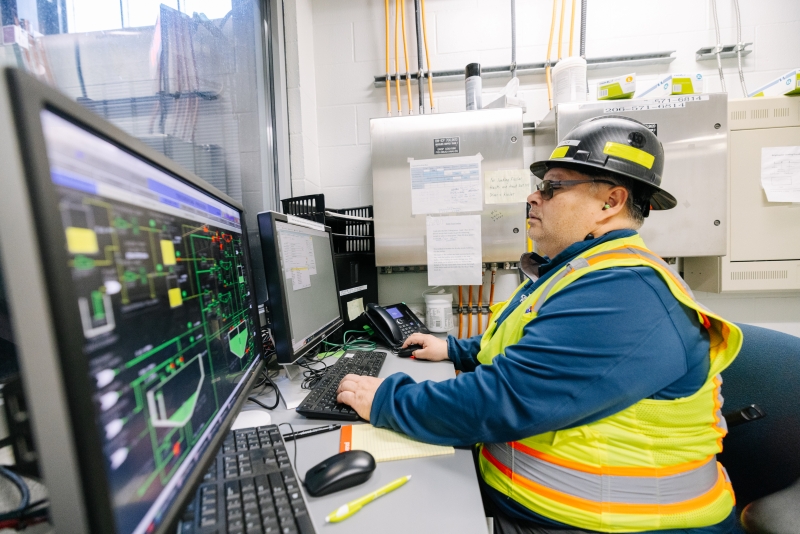
Operations: WTD workers operate facilities and machinery to treat more than 180 million gallons of sewage every day, serving around 2 million people. We provide both primary and secondary treatment to get results for clean water.
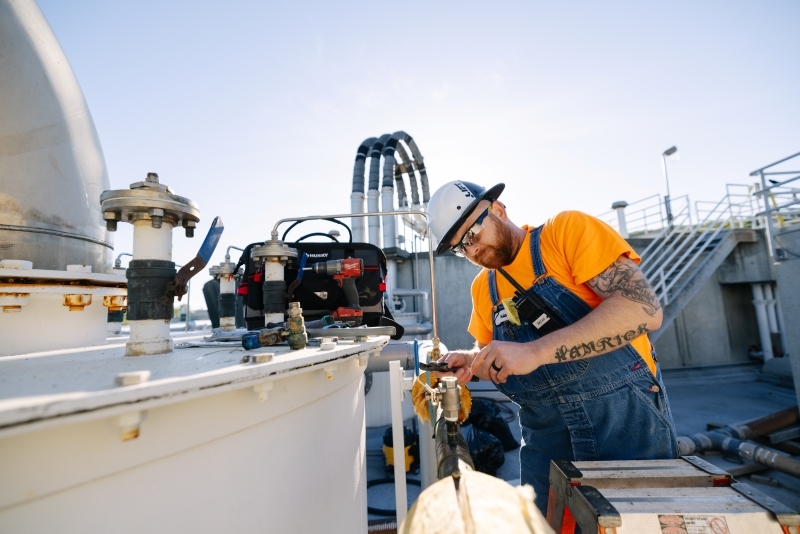
Maintenance: Much of WTD’s equipment was built 60 years ago or more and requires ongoing upkeep to ensure it can continue to work safely and effectively.
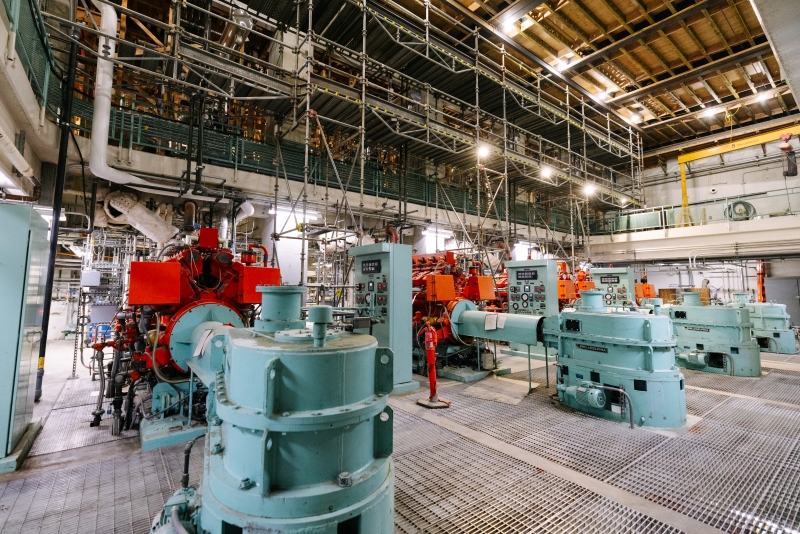
Modernization: Much of that aging equipment can be replaced with more energy-efficient and reliable systems that can reduce costs over time. These replacements are made near the end of its service life.
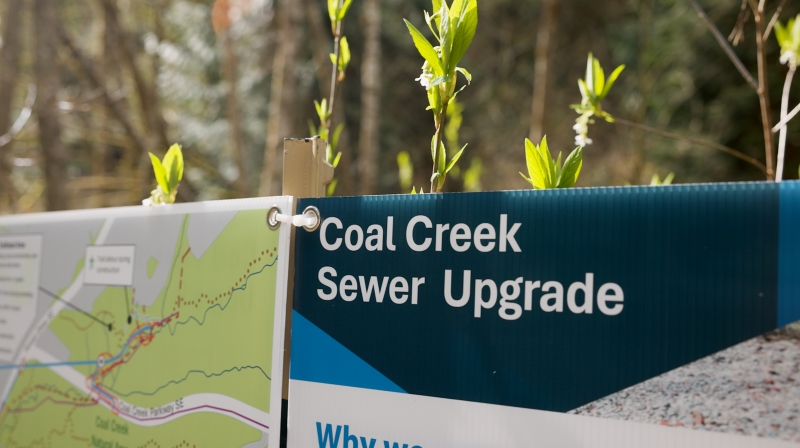
Capacity: As more people move to the region, there is more wastewater put into sewers and sent on to the wastewater treatment system. The capacity charge helps to fund projects that ensure the extra wastewater can be transported and processed.
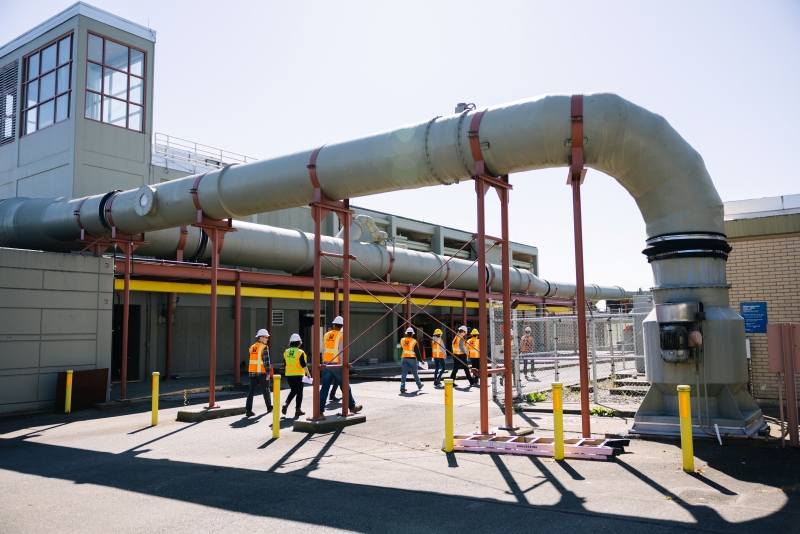
Meeting clean water requirements: Half of WTD’s forecasted costs over the next decade go toward meeting regulatory requirements, including building several facilities to reduce combined sewer overflows.
To learn more about what is driving rate increases and how WTD is working to promote a sustainable path forward, visit Investing in Clean Water.
Frequently asked questions
Local sewer agencies collect wastewater from residences and businesses and transport it to King County's regional system of pipelines, tunnels, and treatment plants. The amount the local utility pays King County for this service is based on the current wholesale monthly sewer rate and the number of customers the local utility serves.
The monthly sewer rate you pay to your local utility includes the county's monthly wholesale rate, plus the rate set by your local sewer utility to cover its costs in building, operating and maintaining its local collection system. This also explains why your monthly bill comes from your local sewer utility instead of King County - because people do not connect directly to our regional sewer system.
The local agencies decide how to bill customers in their area. Some use a set price that directly includes King County's rate. Others base their rates on amount of water a customer uses. And others use a combination of the two.
King County's wastewater service area extends into Snohomish and Pierce counties.
In 1958 the voters created Metro and developed a regional wastewater treatment system based on watersheds as opposed to political boundaries. In 1994, King County assumed authority of Metro and its legal obligation to treat wastewater for 34 local jurisdictions and local sewer agencies that contract with King County.
The local sewer agencies that contract with King County manage, operate and maintain 5,100 miles of collection pipes along with numerous pump and regulator stations. The local agencies collect wastewater from residences and businesses and transport it to King County's regional system of pipelines, tunnels, and treatment plants.
The monthly sewer rate you pay to your local utility includes the county's monthly wholesale rate, plus the rate set by your local sewer utility to cover its costs in building, operating and maintaining its local collection system.
This also explains why your monthly bill comes from your local sewer utility instead of King County - because people do not connect directly to our regional sewer system. (King County does directly bill newly connecting customers for the capacity charge they pay in addition to their monthly sewer bill - for more information see the next FAQ).
Property owners do not connect directly to King County's regional wastewater system. Local sewer agencies collect wastewater and contract with King County to convey and treat it at one of our regional treatment plants. Local sewer agencies decide where and when to build or extend service lines.
Wastewater treatment service is provided only within designated urban growth areas, with few exceptions. These areas are designated as part of the state's Growth Management Act and local comprehensive plans. Because of those plans, we expect most homes and businesses within the urban growth boundary will likely have sewer service within the next two decades. But the exact timing would be up to the local agencies.
Local agencies may not require a home to hook up to the sewer system if the septic system is working properly. Depending on individual circumstances, hooking up to the sewer can be less expensive than building a new septic system or replacing a failed system. Contact your local government or sewer district to find out more about what is planned for your area.
Note: the Growth Management Act requires coordinated planning so that the services required by new residents and their homes and businesses are available as growth occurs. Needed services include many that are not provided by King County, such as water supply, local sanitary sewers, fire protection, schools, energy facilities, and telecommunications. King County does provide services such as regional wastewater treatment, regional solid waste management, and local stormwater management. For more information, refer to the King County Comprehensive Plan.
Through strong fiscal stewardship, we have continued to earn high credit ratings in the bond market and secure low-interest loans from federal and state sources. We’ll continue to look for ways to make the most of every dollar.
Standard & Poor's and Moody’s investor services are leading global financial firms that rate corporate stocks and municipal bonds according to risk profiles.
- King County Sewer Enterprise parity sewer revenue bonds ratings of Aa1 from Moody’s Investors Services (Moody’s) and AA+ from Standard and Poor’s (S&P) Global Ratings were affirmed in October 2025. Its junior lien sewer revenue bonds ratings of Aa2 from Moody’s and AA from S&P Global Ratings were also affirmed in October 2025.
- King County Sewer Enterprise limited tax general obligation bonds (LTGO) of AAA from Moody’s and AAA from S&P Global Ratings were affirmed in March 2025.
These continued favorable credit ratings lower the cost of borrowing by reducing interest payments to bondholders, which, in turn, reduces impacts to the sewer rate.