
 Translate
Investing in clean water
Learn how King County is working to protect clean water while keeping costs affordable.
The King County Wastewater Treatment Division (WTD) cleans wastewater for nearly 2 million people. It is an essential service that we provide every day, all year long. Our work protects water quality, supports public health, and helps communities, the environment, and the economy thrive.
WTD provides wholesale clean water services to 33 cities and local sewer utilities in King, Snohomish, and Pierce counties, as well as the Muckleshoot Indian Tribe. Our utility is funded almost entirely by ratepayers — people who pay for our services and programs through their monthly sewer bills. WTD is committed to using ratepayer money responsibly and efficiently, ensuring every dollar helps improve water quality. WTD also works to be open and honest about current costs and future needs.
Read on to learn why costs are rising, what we are doing to promote affordability, and how we are planning for a sustainable future.
What is driving costs?
Sewer rate forecast
Each year, we update our “sewer rate forecast” to make sure we are charging the right amount of money to pay for all our costs, present and future. These costs are passed to local sewer agencies and then to ratepayers through monthly sewer bills. Our long-term forecast shows a substantial rise in rates — potentially doubling in the next several years. This is mainly due to three key factors:
- Regulatory requirements: About half of our planned construction costs over the next 10 years — around $7 billion — come from state and federal regulatory requirements. Many of these projects must be completed by certain deadlines. Many of these deadlines happen around the same time, which increases costs in a short period. This includes facilities to reduce the number of “combined sewer overflows” that happen each year. Learn more about combined sewer overflows.
- Replacing and maintaining aging equipment: Much of our regional wastewater system is more than 60 years old. As responsible stewards of public funds, we do our best to take care of the equipment we already have. Our staff works hard to maintain it, but some equipment must be replaced to keep the system working safely and efficiently. Similar to prioritizing projects at home based on your budget, these costs focus on replacing equipment that is in poor condition or poses the highest risk.
- Capacity: Capacity means making sure our system can handle more wastewater as the population grows and more people move to our region.
These rising costs are not unique to King County. Utilities across the country are facing similar challenges. Costs for chemicals, equipment, and labor are all going up. The same is true for building and maintaining other important infrastructure.
Promoting affordability
Partnering with local leaders and decision-makers
We recognize that rising utility rates can make it harder for people to afford everything else in their budgets. Last fall, King County partnered with the Sound Cities Association to hold a Utility Rate Summit focused on the issue.
Fiscal responsibility
For many years, WTD has maintained high credit ratings in the bond market and secured low-interest loans from federal and state sources. High credit ratings help us borrow money at lower interest rates. That means we pay less in interest over time, which helps reduce pressure on sewer rates.
Investing for the future
In all of our work, WTD is deeply focused on spending every dollar responsibly and cost-effectively. Here are several examples of how we are improving reliability, saving energy, and reducing costs over the long term.
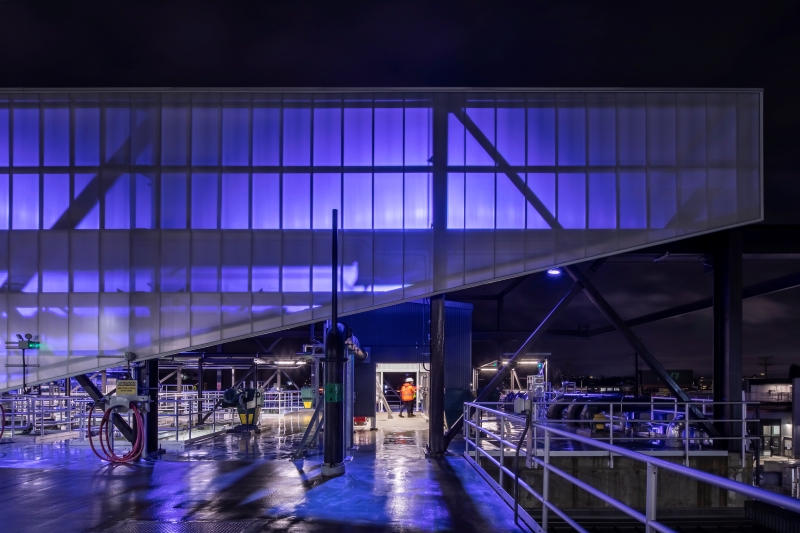
Regulatory compliance: King County has a responsibility to protect and improve water quality in rivers, lakes, and Puget Sound.
During heavy rain, pipes in Seattle that carry both sewage and rainwater can fill up quickly. When this happens, extra water may be released into nearby waterways.
These systems were built decades ago to prevent sewage from backing up into homes and businesses.
King County has a legal agreement with the U.S. Environmental Protection Agency and Washington State Department of Ecology to build projects to reduce these “combined sewer overflows” by 2037.
WTD completed the Georgetown Wet Weather Treatment Station in 2022. It can treat up to 70 million gallons of combined stormwater and sewage per day that would otherwise flow directly into the Duwamish River. This is an example of the types of projects WTD must continue to build due to regulatory requirements.
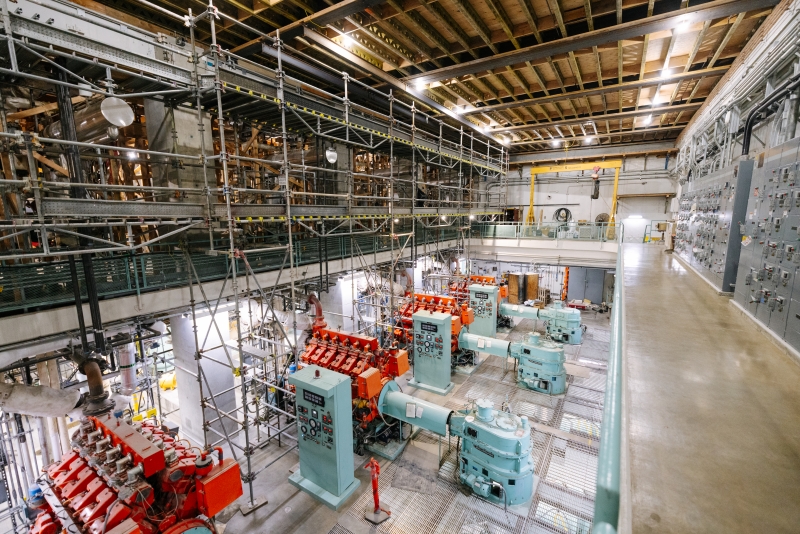
Modernizing old equipment: Much of our system was built more than 60 years ago and needs to be replaced. With each project, WTD looks for ways to upgrade equipment and make it more reliable. For example, the Raw Sewage Pump Replacement Project at West Point Treatment Plant in Seattle will replace worn-out pumps built in the 1960s that are reaching the end of their service life. The new electric pumps will improve efficiency, and the seismic upgrades to the building will help protect them during an earthquake.
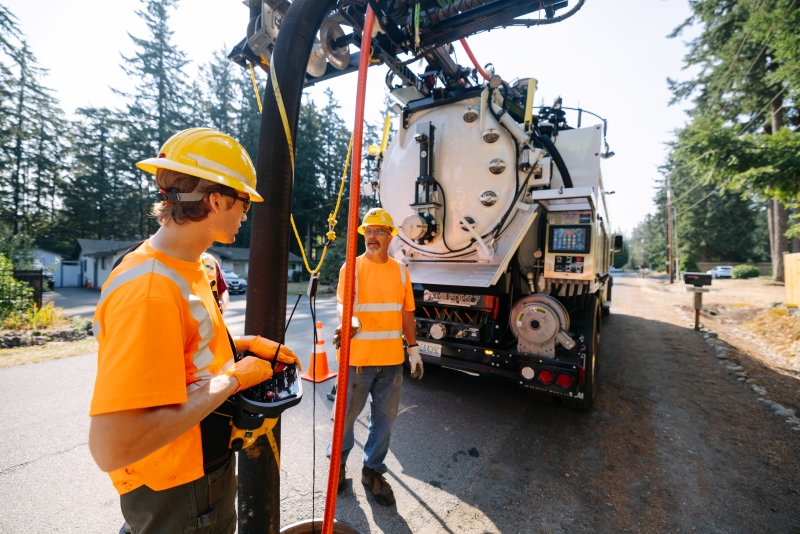
Bringing work in-house: Our Conveyance Inspection team performs regular maintenance of more than 380 miles of county-owned pipes. In 2025, WTD added a new sewer cleaning truck and started doing some of the work ourselves that would have otherwise been contracted out. This change will save costs over time and provide our staff opportunities to learn new skills.
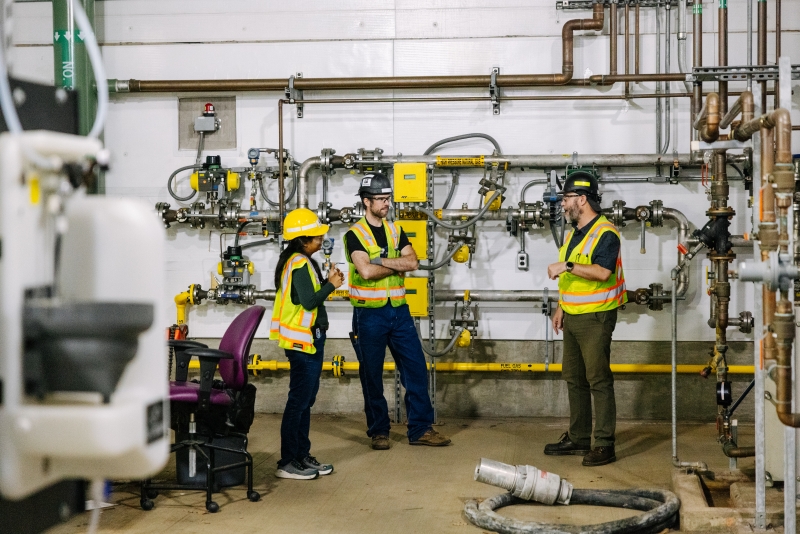
Resource recovery: From biosolids and compost to recycled water, we make the best possible use of resources from wastewater. For example, WTD partnered with Puget Sound Energy (PSE) to install a cogeneration facility at South Treatment Plant in Renton. When there is strain on the power grid, WTD can use biomethane to help run the plant. In return, South Plant receives stable energy rates from PSE, which helps lower costs for ratepayers.
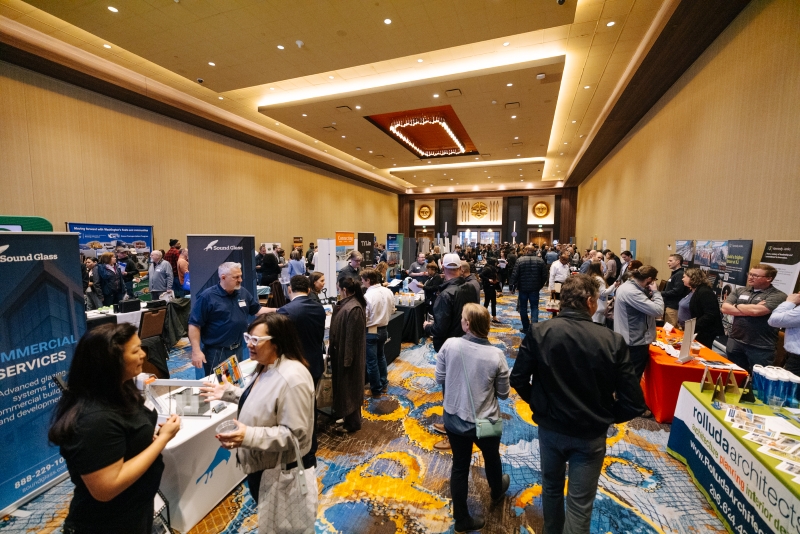
Local workforce: Efforts such as the Operator-in-Training Program help people who live in the region find a path into clean water careers. For work that does require contractors, WTD hosts countywide events to connect small businesses and minority- and women-owned businesses with larger firms and share information on upcoming projects. Along with promoting equity, these opportunities also help reduce costs by increasing competition and keeping more work local.
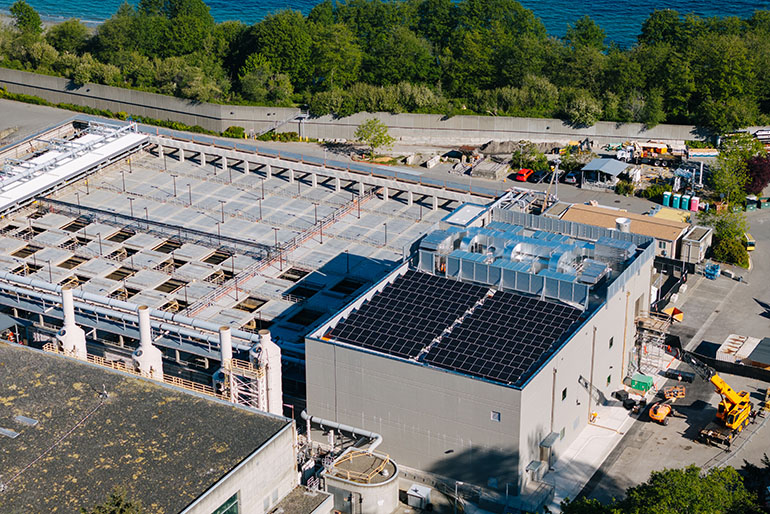
Getting results for clean water: WTD regularly reviews processes and budgets to make sure spending is focused on improving water quality. This includes reducing overhead and carefully choosing projects that will have the greatest impact.
One example is the Power Quality Facility at West Point Treatment Plant. It helps keep critical pumps operating during power disruptions. In its first year of operations, the facility provided reliable power during 78 power disruptions and prevented at least 15 emergency bypasses of untreated wastewater into Puget Sound.
Our commitment
We have complex challenges ahead of us. However, our commitment to the communities we serve remain firm:
- Protect public health and the environment.
- Meet our legal obligations to regulators, local sewer agencies, Tribes, cities and other partners.
- Be open and honest.
- Provide high quality of service to our community for decades to come.
To learn more about ongoing work, tune in to an upcoming meeting of the Regional Water Quality Committee, sign up for our newsletter, or learn more about current capital projects.