
 Translate
Recycling & waste management
According to the most recent comprehensive data available from the U.S. Environmental Protection Agency (EPA), in 2018 the United States generated approximately 292.4 million tons of municipal solid waste (MSW). Of that amount, about 94 million tons were recycled or composted, resulting in a 32.1% recycling and composting rate.
While reducing and reusing products are the most effective waste prevention strategies, recycling materials at the end of their life:
- Conserves natural resources
- Reduces greenhouse gas emissions
- Saves energy
- Keeps materials out of landfills
In King County, recycling contracts are in place for many materials, including office paper, fluorescent bulbs, motor oil, appliances, chemicals, e-waste, and batteries. For specialized products—such as textiles, pesticides, thermostats, and pallets—the County's "What do I do with…?" guide provides residents and businesses with instructions for proper recycling or safe disposal.
Policy and Goals:
From King County's Sustainable Purchasing Executive Policy (CON 7-22-1-EP),
- Recycle all electronics through the e-Stewards standard or an equivalent program.
- Recycle all fluorescent lamps.
- Reducing waste generation by choosing products that are durable, reusable, repairable, refillable, recyclable, compostable, salvageable, deconstructable, or made with recycled content or remanufactured parts;
- Conserving natural resources including water, petroleum, rare earth minerals.
From King County's 2025 Strategic Climate Action Plan (SCAP),
- GHG 65. Reduce waste and develop reuse markets for construction and demolition materials from King County capital projects
Quick Tips
|
Choose
|
Avoid
|
End of Life
|
An EPA checkmark indicates a certification or standard is recommended by the U.S. Environmental Protection Agency (EPA).
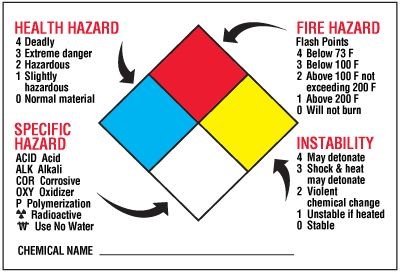
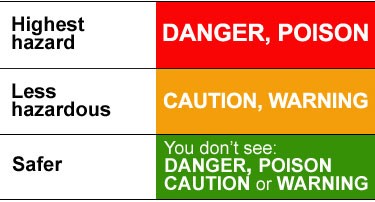
Warning Label Guides
Other recycling contracts:
Electronics recycling - e-waste guide
Antifreeze recycling - antifreeze guide
Yard waste recycling - composting guide
Food waste recycling - food and catering guide