
 Translate
Nonprofits and Conservation Futures
Conservation Futures grants for open space acquisition may be available to nature conservancy and historic preservation nonprofits.
Intake for the nonprofit eligibility and capacity review process has closed for 2026. Nonprofits interested in applying for a Conservation Futures grant for the first time can learn about the program on this website and reach out to program staff for more information. The next nonprofit review process will open in June 2027.
What nonprofits are eligible for Conservation Futures funding?
Conservation Futures grants may be awarded to nonprofits that are registered with Washington State and meet the following definitions of either a nonprofit nature conservancy or nonprofit historic preservation corporation, with the principal purposes below reflected in their adopted articles of incorporation and/or by-laws.
"Nonprofit nature conservancy corporation or association" means a tax-exempt 501c organization which has as one of its principal purposes:
- the conducting or facilitating of scientific research;
- the conserving of natural resources, including but not limited to biological resources, for the general public; or
- the conserving of open spaces, including but not limited to wildlife habitat to be utilized as public access areas, for the use and enjoyment of the general public. (RCW 84.34.250, bullets added)
"Nonprofit historic preservation corporation" means a tax-exempt 501c3 organization which has as one of its principal purposes the conducting or facilitating of historic preservation activities within the state, including conservation or preservation of historic sites, districts, buildings, and artifacts (RCW 64.04.130). Projects proposed by a nonprofit historic preservation corporation must be open space conservation, as Conservation Futures funding cannot be used to preserve historic structures.
Examples of nonprofit-led projects
Examples of nonprofit-led projects that may be a good fit for a Conservation Futures grant include:
- preserving a site as a local park, open space, or natural area valued to a community
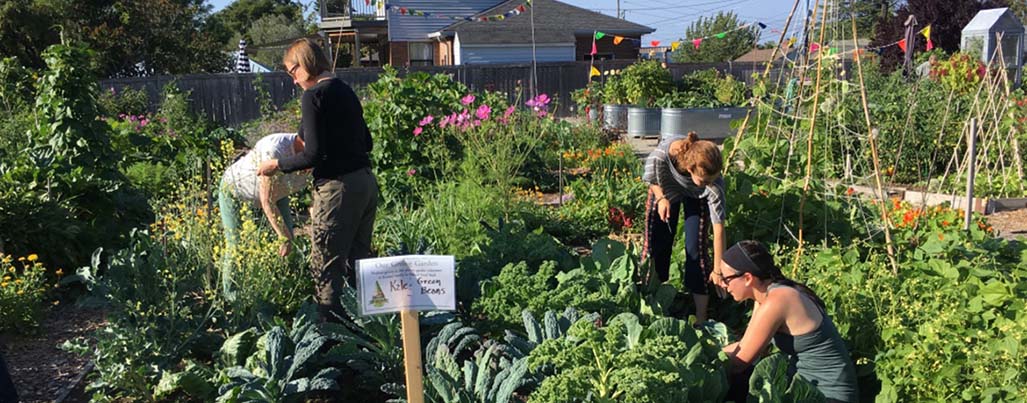
- creating a community garden or p-patch
- providing a collective farming opportunity that allows for farmland access and tenure to individuals who have historically not had access to farmland
- securing land to produce culturally relevant food to serve the community in direct support of the nonprofit’s mission
Examples of projects that may not be a good fit for a Conservation Futures grant:
- projects that are providing farmland for use by a for-profit business that has a corporate foundation or a parent-subsidiary relationship with your nonprofit (King County Farmland Preservation Program easements might be a better option)
- projects that don't have a clear public benefit tied to nonprofit mission or associated with land conservation
- projects that envision intensive capital development (for example, a museum); ongoing residential uses; a site that will support mostly built-out, non-open space uses or active recreation.
Eligibility and Capacity Review: Getting to know your organization
Land acquisition brings opportunities to fulfill a nonprofit’s vision. It also comes with significant operating costs, capital costs, risks, and responsibilities. Since Conservation Futures requires a forever land ownership obligation, this grant program is typically a better fit for organizations that have a track record of success, strong organizational structure, and demonstrated financial resiliency. King County conducts an eligibility and capacity review of first-time nonprofit applicants, to ensure that the Conservation Futures Advisory Committee receives confirmation of nonprofit readiness when they receive the grant application. The committee has King County conduct this review as it wants to be sure that nonprofits are fully prepared to take on land management responsibilities in perpetuity. The pathway to a Conservation Futures grant may be a multi-year process.
-
Learn about Conservation Futures
Review the capacity review process handout, attend a workshop, and reach out to Ingrid Lundin with any questions.
-
Eligibility review
We will review your organization’s alignment with the eligible nonprofit definitions provided above, and evaluate if the project vision is eligible for Conservation Futures funding. -
Capacity review
If your organization is eligible, we will gather information from you about your organizational, financial and project readiness, and will reach out with any questions as we review materials.
-
We evaluate and respond
When we have all the required information, we will complete the review and provide feedback about readiness to apply. If your organization is determined to be ready to apply, we will talk through what to expect in the main grant round. If your organization is not yet ready to apply, we will discuss what actions could be taken to become ready to apply in a future year.
Key Dates and Links
Nonprofit Eligibility and Capacity Review
- June 30, 2026: Nonprofit informational workshop (view a recording of the workshop content here)
- July 17, 2026: Eligibility form due
- August 31, 2026: If your organization proceeds to the capacity review step, capacity review materials due
- Late October, 2026: Organizations notified of outcome of capacity review
Conservation Futures Grant Round
- November, 2026: Grant round launched
- February, 2027: Grant applications due
- Summer, 2027: Award recommendations announced
- January, 2028: Awards finalized and funding available for use
Contact us
Please contact Ingrid Lundin, Conservation Futures Coordinator, about your project idea. We’d love to get to know your organization and discuss whether your project may be a good fit for Conservation Futures.
For additional nonprofit resources, please see this nonprofit resources handout, and view this training for nonprofits considering in investing in real estate purchases using our grants (produced by Nonprofit Finance Fund).
Photo credits
1 Save Ballard P-Patch
2 Ching Community Gardens
3 SHADOW