
 Translate
Drone safety general information
Become a drone pilot
Flying drones professionally starts with the right training and certification. Earning your FAA Remote Pilot Certificate helps you operate safely, legally, and with confidence.
Requirements
- Be at least 16 years old
- Read, speak, write, and understand English.
- Be in a physical and mental condition to safely fly a drone
- Pass the initial aeronautical knowledge exam: "Unmanned Aircraft General – Small (UAG)" at an FAA Approved Testing Center.
- Complete recurrent training every 24 calendar months to remain current.
Fines and penalties
Violating FAA rules and regulations can result insignificant civil and criminal consequences. Civilpenalties for unauthorized or unsafe drone operations can reach up to $75,000 per violation.
Airspace access
Low Altitude Authorization & Notification Capability (LAANC) is a collaboration between the FAA and Industry to support the safe integration of drones into the national airspace.
Approved Service Suppliers:
AirMatrix, Airspace Link, Aloft, AstraUTM, AutoPylot, Avison, eTT Aviation, Flightloop, FlightReady, Flyfreely, UASidekick, Wing
Useful resources (only available in English)
Get started with UAS
Whether you're a novice drone pilot or have many years of aviation experience, rules and safety tips exist to help you fly safely in the National Airspace System (NAS).
Take the Recreational TRUST UAS Safety Test
TRUST is the FAA’s free online safety test for recreational drone pilots. It helps flyers understand the basic rules for safe operation.
FAA DroneZone
The FAA’s official portal for drone registration and other key pilot services. It helps operators stay organized and compliant.
Recreational
Recreational flying is governed by 49 USC 44809, the Exception for Limited Recreational Operations. These rules apply when you fly strictly for fun or personal enjoyment, not for business, compensation, or work-related purposes.
Before you fly
- Register drones over 0.55 lbs or 250 grams
- Mark drone with the FAA registration number
- Complete The Recreational UAS Safety Test, also called TRUST
- Carry proof of TRUST completion and registration when flying
- Check airspace, TFRs, local rules, and Remote ID requirements
When you fly
- Follow community organization guidelines
- Remain clear and away from crewed aircraft
- Remain compliant with Remote ID regulations
- Keep drone within visual line of sight
- Get FAA authorization before flying in any controlled airspace
- Fly at or below 400 feet in uncontrolled airspace
- Do not fly over or interfere with emergency response operations.
- Do not fly over people or moving vehicles.
- Never operate under the influence
- Never operate in an unsafe manner
Agricultural
14 CFR Part 137 applies when a drone is used to spray or spread products such as fertilizers, pesticides, disinfectants, soil treatments, or similar materials. These operations require additional FAA approval beyond basic Part 107 commercial drone rules, with pesticide or chemical use also subject to EPA, product label, and state applicator requirements.
Commercial
Most non recreational drone operations under 55 lbs operate under 14 CFR Part 107. Operations over 55 lbs, BVLOS, package delivery, and other advanced operations require additional approval, waiver, exemption, certification, or authorization.
Before you fly
- Register your drone, regardless of weight
- Become a FAA Certified Remote Pilot
- Check airspace, TFRs, and local restrictions
When you fly
- Get FAA authorization for controlled airspace
- Keep the drone within visual line of sight unless waived
- Fly at or below 400 feet unless allowed by rule or authorization
- Use anti collision lights at night.
- Avoid flying over people or moving vehicles unless authorized
- Remain compliant with Remote ID regulations
Special Conditions
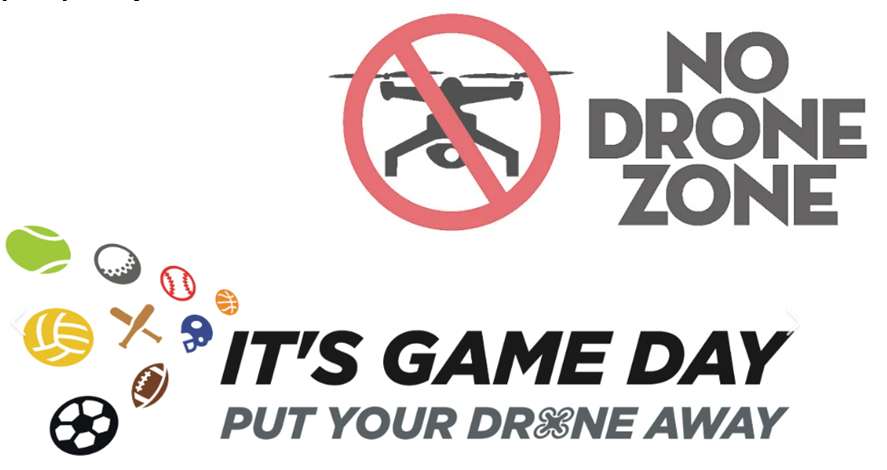
Always check federal, state, local, and location specific drone restrictions before operating, including TFRs, stadium restrictions, airport airspace, emergency response areas, and property rules.
FlySafe
Safe operations should be the top priority for every drone pilot. Take a moment before and during your flight to look around, identify risks, and avoid potential conflicts in the air. Following simple best practices and the guidelines set by the Federal Aviation Administration helps keep everyone safe.FlySmart
A quick check of your drone goes a long way. Make sure it’s in good condition before you fly and be aware of your surroundings while flying. Being mindful of people, property, and your environment helps you fly responsibly and protects the shared airspace.FlyReady
Preparation helps make every flight safer and more efficient. Before takeoff, confirm your drone is registered when required, Remote ID compliant, and in proper working order. Check the weather, review the airspace, and have a plan for normal operations as well as unexpected issues. Always stay alert and remember that manned aircraft have the right of way.When confronted by the law enforcement or the FAA
- Be respectful and land your drone
- Be prepared to identify yourself and present required documentation if requested by authorized personnel.
- Part 107 / TRUST certificate, personal identification, aircraft registration, waivers and other approvals Violations may result in criminal or civil penalties
Violations may result in criminal or civil penalties.