
 Translate
Vision for Clean Water
King County's Vision for Clean Water charts the path toward swimmable, fishable, thriving waterways supported by an affordable, reliable regional wastewater system. Guided by community values and innovative action, we're protecting public health, restoring ecosystems, and shaping a legacy of clean water for generations to come.
Our Vision
Clean waters for vibrant communities. The Puget Sound region is swimmable, fishable, and full of life. Our high-quality, regional wastewater system is cared for by dedicated professionals and is affordable to everyone.

Every drop of water connects us. From the Cascades to the Puget Sound, water defines the natural environment of our region and allows people and creatures alike to thrive. For more than half a century, King County’s wastewater system has cleaned and protected these waters. Now, we look ahead to the year 2100. Over the next 75 years, the Vision for Clean Water (Vision) will guide us toward a future where salmon are abundant in our streams, orcas thrive off our coastline, and communities can work, learn, and play in healthy waters. How we choose to care for our water will allow us to pass on a legacy of clean water to coming generations.
Developing the Vision for Clean Water
A broad range of community members, Wastewater Treatment Division (WTD) employees, partner organizations, and wastewater professionals shared their experiences to help shape our priorities for the next 75 years. King County gathered input through listening sessions, meetings, questionnaires, community events, and an online open house.
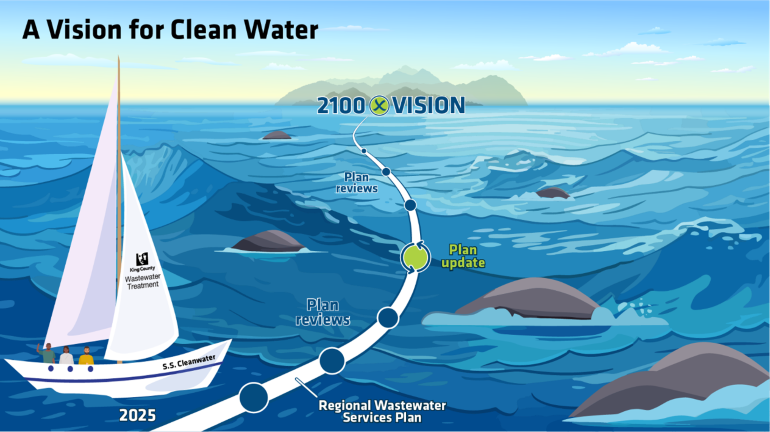
The Vision guides our planning efforts over the next 75 years, including updates to our Regional Wastewater Services Plan (RWSP). The RWSP is the 30-year roadmap for how we operate and invest in our wastewater system. It defines how and how fast we advance the Vision.
As we make decisions, plan projects, and solve challenges together, this Vision reminds us why our work matters. It keeps us moving toward a more resilient future for everyone who calls our region home. Throughout this journey, we will continue pursuing our core mission to protect public health and the environment.
Our story of progress
-
1950s

Lake Washington was too polluted for swimming, and many waterways suffered. Regional leaders invested in building our regional wastewater infrastructure to restore water quality. -
1960-2020s
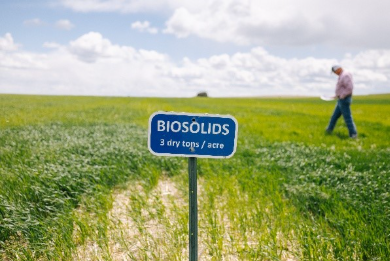
 Both South Plant and West Point became fully operational in 1966. The RWSP was adopted in 1999 and outlined a plan through 2030 that included the construction of Brightwater. WTD also expanded efforts to transform wastewater into valuable resources, including biosolids reuse, reclaimed water, and energy recovery.
-
Today
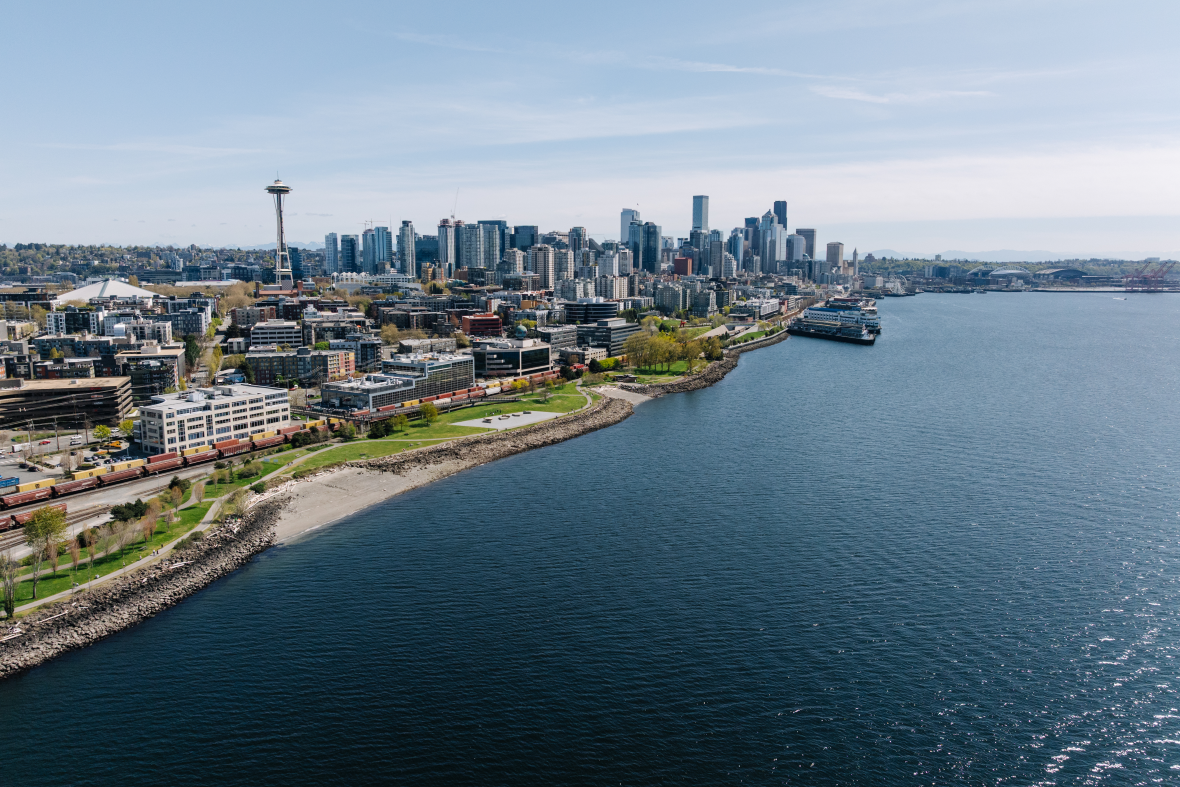
Today, WTD serves 2 million people across 34 jurisdictions. Over 1,000 employees operate the regional system of treatment plants, pipelines, and pump stations. Our facilities provide essential services 24/7. We face growing demand, aging infrastructure, and more extreme climate impacts like major flooding. -
2100
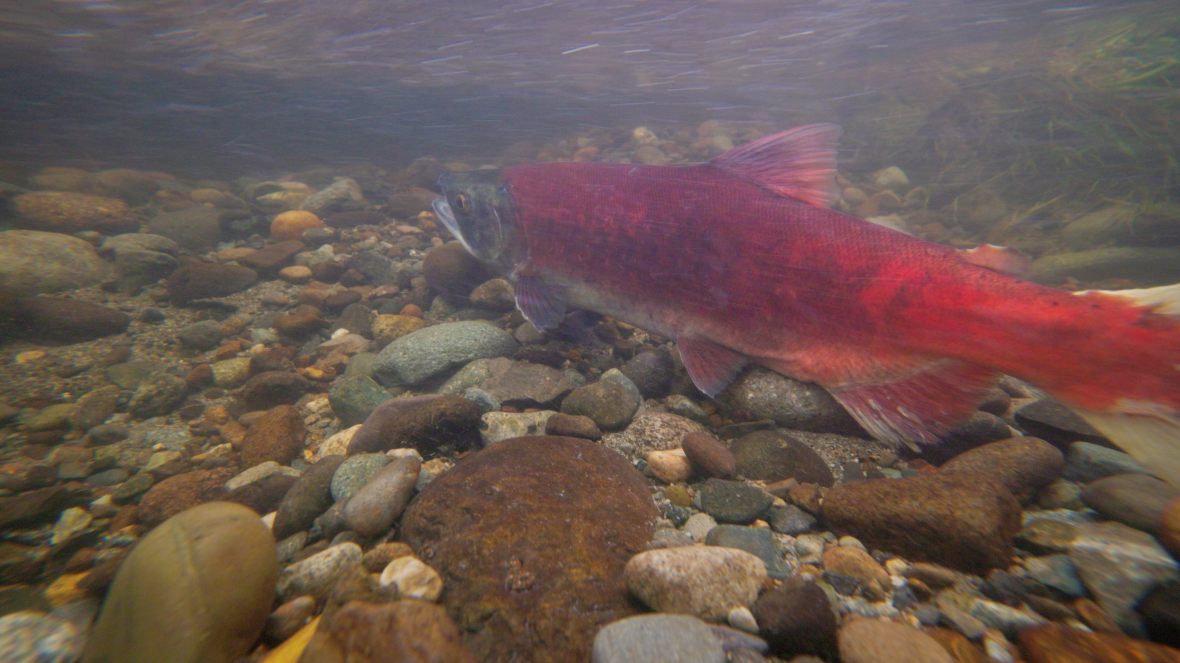
With the new vision as a guide, think about what is possible if we get this right. Imagine pristine waterways, thriving salmon runs, and communities connected by clean waters.
Wastewater treatment: challenges and opportunities
Our region faces more challenges than ever before. Rising costs, rapid growth, and climate disasters are straining our aging system. Without proactive investment, we risk service disruptions, inequities, and overflows. These outcomes threaten water quality and public health.
The Vision points the way forward. It helps us address challenges head-on. It steers us toward smart decisions and empowers us to embrace new opportunities. With the Vision as our guide, we can continue delivering exceptional service and secure the resilient clean water future that our region deserves.
Aging Infrastructure

Much of our wastewater system was built in the 1960s. We must update our system to ensure reliable services and protect public health and the environment.
Changing regulations

Water quality laws are evolving, and we must invest in innovative technologies and collaborate with regulators to produce cleaner water.
Climate change

Bigger storms, rising tides, and drier, hotter weather in the Pacific Northwest means we need to adapt our system to handle increasingly extreme conditions.
Community engagement

Listening to and working closely with our communities helps us make better decisions and ensure our investments prioritize local needs.
Customer affordability of wastewater services

Some households are struggling to afford utility bills, so we are focusing on actionable solutions to support customers.
Digital technology and artificial intelligence (AI)

Explore new tools to enhance performance while protecting our system from cyber threats.
Emergency preparedness

Proactively planning for disasters will help keep wastewater services running and protect public health and safety.
Equity and social justice

We need to ensure our investments benefit all communities, and that we advance equity through job training, education, and other investments.
Partnerships

Pollution reduction and source control

Population growth

Workforce development

Examples of the Vision in action
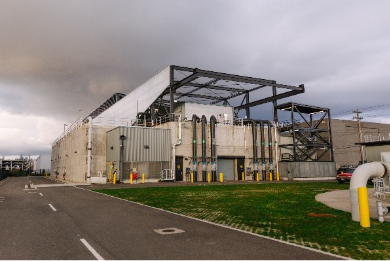
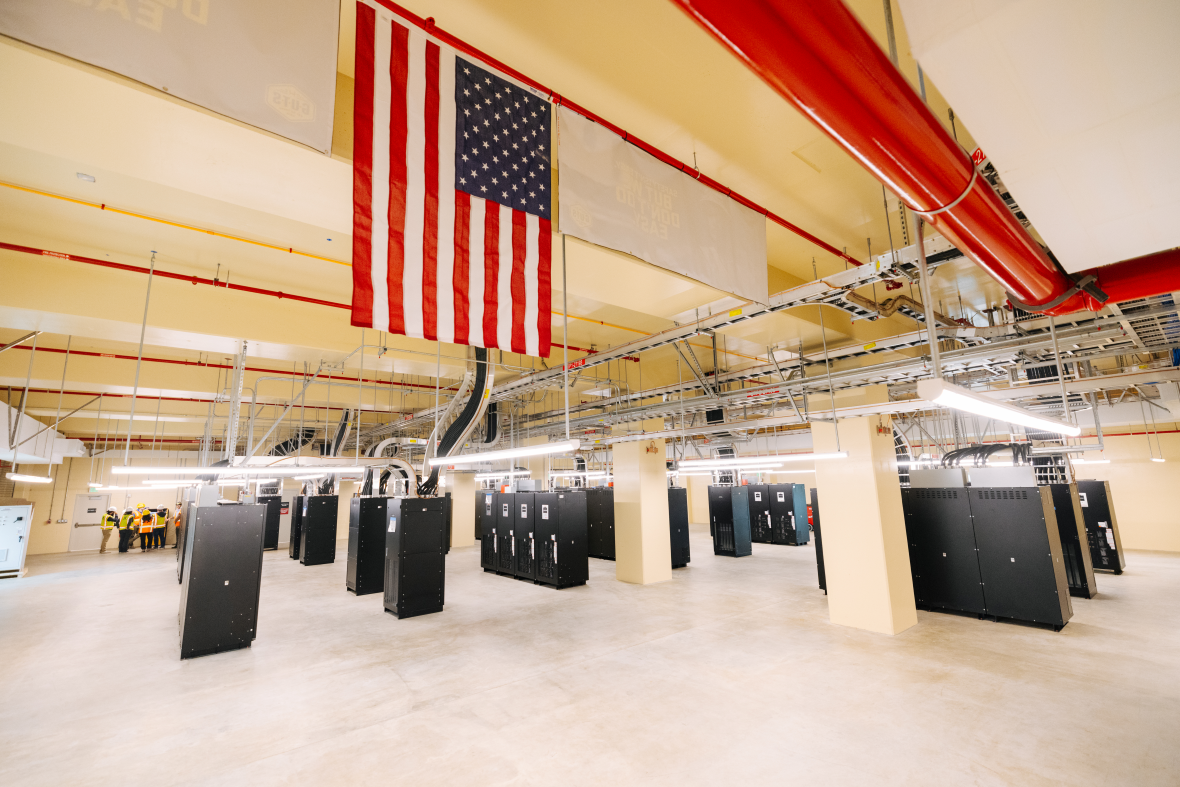
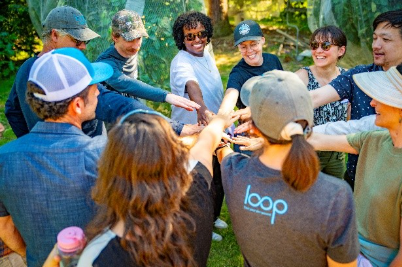
From the essential daily work of our wastewater operators to innovative resource recovery projects and community partnerships, King County is already advancing the Vision. Some examples include:
Research, Resources, Factsheets
Vision for Clean Water 2100, July 2026
This document describes the core commitments that support the final vision statement, and the vision options that present different paths King County could take to achieve our core commitments.
Wastewater Leader Insights, July 2026
To envision the future of our wastewater system by 2100, King County sought inspiration from wastewater leaders nationwide and beyond. By leveraging peer insights and proactively addressing challenges, we can secure a resilient and flourishing future. These leaders, selected for their expertise and notable contributions to the water sector, shared success stories and perspectives on opportunities wastewater utilities can harness over the coming decades. Their insights helped set the foundation for shaping vision options for King County’s Vision for Clean Water.
Challenges and Opportunities Informing the Vision for Clean Water, June 2026
This document describes 12 key issues affecting our wastewater system and what we are doing to address them now and in the coming decades. These are drivers which will inform the development of the Vision. By addressing these challenges and embracing these opportunities, we can ensure our wastewater system can meet the needs of the region equitably and well into the future.
Regional Engagement Report (Summary), September 2026
This report highlights community input gathered between April and July 2025, when we heard from more than 1,500 community members who live and work in King County what matters most about clean water. It provides details about the engagement process and key themes that emerged.