
 Translate
About this weed
Yellow toadflax is a non-regulated Class C noxious weed. Control of yellow toadflax in King County is recommended but not required.
Yellow toadflax is known as Linaria vulgaris and it is in the figwort family. It is native to Europe and Asia and is also called butter and eggs, common toadflax and wild snapdragon.
Why it's a noxious weed
Yellow toadflax thrives along roads, trails, railroads, cultivated fields and gardens. It spreads by seed and creeping roots, forming dense patches. These patches can crowd out desirable plants and reduce forage and crop yields. Yellow toadflax can be difficult to control once established.
Plant description
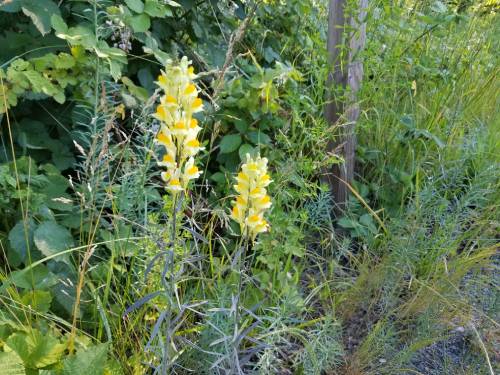
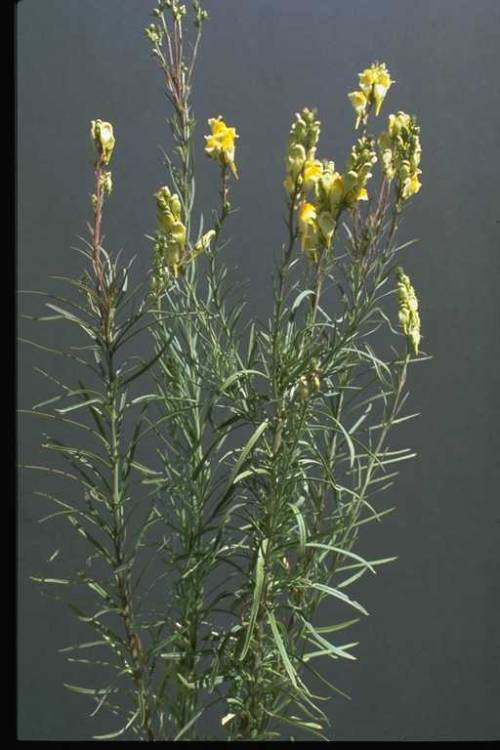
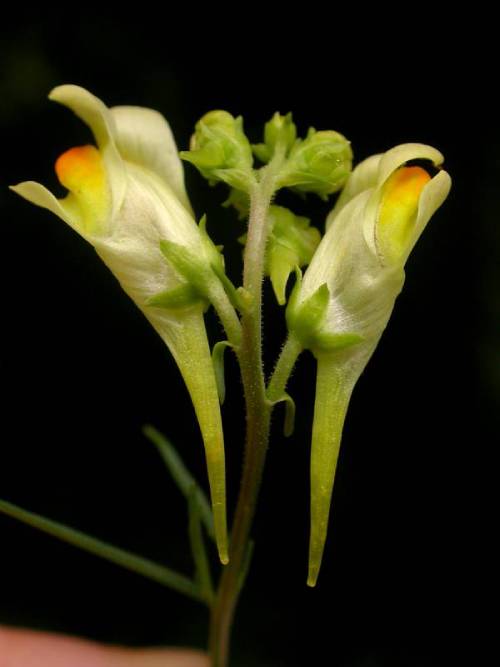
Yellow toadflax is an herbaceous perennial that grows up to 2 feet tall. Its flowers are yellow with orange throats and a spur at the base, resembling snapdragon flowers. They bloom from June to September in clusters of 15-20 on each stem.
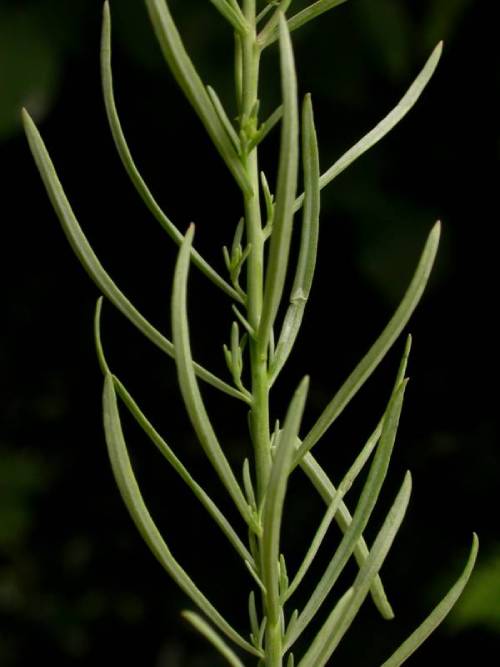
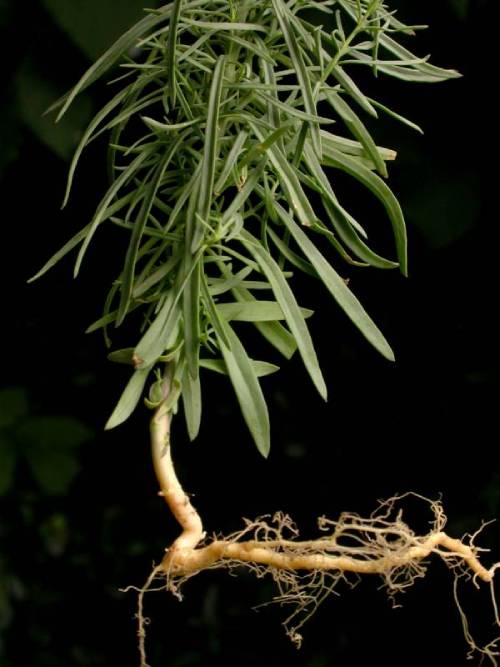
The leaves of yellow toadflax are up to 3 inches long, narrow and hairless with pointed tips. They attach directly to the unbranched stem (sessile) and are arranged alternately (leaves which grow staggered, without a pair on the stem). Yellow toadflax spreads by seed and creeping, lateral roots, forming a dense patch.
Be aware of look-alike plants
Yellow toadflax is similar to Dalmatian toadflax in appearance and habitat preferences. Yellow toadflax can be identified by its smaller size and narrow leaves, compared to Dalmatian toadflax’s waxy, heart-shaped leaves that clasp the stems.
Yellow toadflax is also much more widespread in King County compared to Dalmatian toadflax. Another similar plant is the snapdragon (Antirrhinum spp.), a garden plant which is smaller, much leafier, and has a lot more flowers.
When in doubt, take photos and report them on iNaturalist.
What to do if you find it
Property owners in King County are not required to control yellow toadflax. While we are not generally tracking infestations, we can provide advice on how to control yellow toadflax.
The King County Noxious Weed Control Board encourages property owners to remove yellow toadflax where possible, and to avoid introducing it to new places.
Control methods
Best practices for controlling yellow toadflax are similar to those used to control Dalmatian toadflax. In areas with few weeds, it is important to act quickly before they become harder to control. Make a long-term plan as it often takes several years to get rid of most weeds. Start in the least infested areas first and then move into more heavily infested areas. To reduce costs and environmental impacts, please consider a combination of methods.
Manual control
For small sites with few plants, carefully pull or dig up plants, removing as much root as possible. Follow up is necessary for several years to remove any missed or new plants. Mowing is not effective for toadflax since it spreads by lateral roots as well as seeds. Tilling can be effective if done regularly for several years. Equipment must be cleaned to avoid spreading root fragments.
Cultural control
In pastures, maintain healthy, competitive grasses by adding nutrients and grazing sustainably. Seed or plant disturbed or bare areas.
Biological control
A few biocontrol agents are used on yellow toadflax. These insects take many years to have a significant impact on an infestation. They can only reduce a population, not eradicate it. Only recommended for large infestations and/or where other methods are not feasible. For more information about biological control of yellow toadflax, please visit Biocontrol Factsheets - NAISMA.
Chemical control
Stay safe when using herbicide:
- Always read the label before use.
- Wear a long-sleeved shirt, long pants, shoes, and eye protection.
- Follow state and local regulations.
For sites where toadflax is well established, chemical control may be the best option. The waxy leaves make it necessary to add and oil-based or silicon surfactant to the herbicide mix. Spraying should be done in late spring when plants begin to flower or in the fall before the plants die back.
For specific chemical recommendations, please refer to the PNW Weed Management Handbook.
Disposal instructions
If the plants are in seed, carefully bag and cut off the seed heads before digging up the rest of the plant. Brush off boots and clothing before leaving the infested area.Noxious Weed Disposal - Washington State Noxious Weed Control Board