
 Translate
Health and safety information for World Cup visitors to Seattle and King County
- Short URL: kingcounty.gov/health/visitors
- En español / Spanish: kingcounty.gov/health/visitantes
- Arabic: kingcounty.gov/health/al-arabiyyah
Welcome to King County! We are glad you're here.
This page has information and resources to help you remain safe and healthy during your visit to Seattle and King County for the 2026 World Cup games.
Top five health and safety tips
-
Call 911
Call 911 immediately for any urgent medical or safety emergency. Calls are free. Say the language you speak once connected. Save the number in your phone now, before an emergency. -
Call 1-877-211-9274
Call 1-877-211-9274 for local health information, social services, and cooling center locations. Press 2 for Spanish or 7 for additional languages.
-
Emergency alerts
Sign up for emergency alerts in the language of your choice by text, voice call, or email at kingcounty.gov/alert. Follow Public Health on Facebook, Instagram, X (Twitter), and our blog, and return to this page for health alerts and updates. Contact your local consulate to connect with more resources.
-
Check for a food safety rating sign
Before buying food from a restaurant, food truck, or food cart, look for a sign with a green smiley face. This sign means the business has a permit from the health department and follows food safety rules.
-
Wear a mask in crowded indoor areas
In public indoor spaces like buses and trains, wear a high-quality mask that covers your nose and chin. Please stay home when you feel sick.
How to get health care in King County
For minor illness or injuries, visit an urgent care clinic or community health center. These clinics usually have shorter wait times and lower costs than hospital emergency rooms. Many accept patients without U.S. insurance and offer language interpretation services at no additional cost.
For serious or life-threatening emergencies, such as chest pain, severe injury, trouble breathing, stroke symptoms, or a suspected overdose, call 911 and say the language you speak once connected, or go to the nearest hospital emergency department.
For poisonings, medication mistakes, accidental ingestions, and toxic exposures, call 1-800-222-1222 (say the language you speak once connected), text 206-526-2121 (SMS only, not compatible with WhatsApp), or visit wapc.org to chat with a specialist.
If you need help finding care, call 1-877-211-9274 to find local resources. Press 2 for Spanish or 7 for additional languages.
For a mental health crisis or drug or alcohol related crisis, call 206-461-3222 and say the language you speak once connected.
When visiting a clinic, make sure to bring your passport, insurance information, credit card, and information about medications, allergies, and medical history if possible.
Urgent care clinics near downtown Seattle that accept drop-in appointments
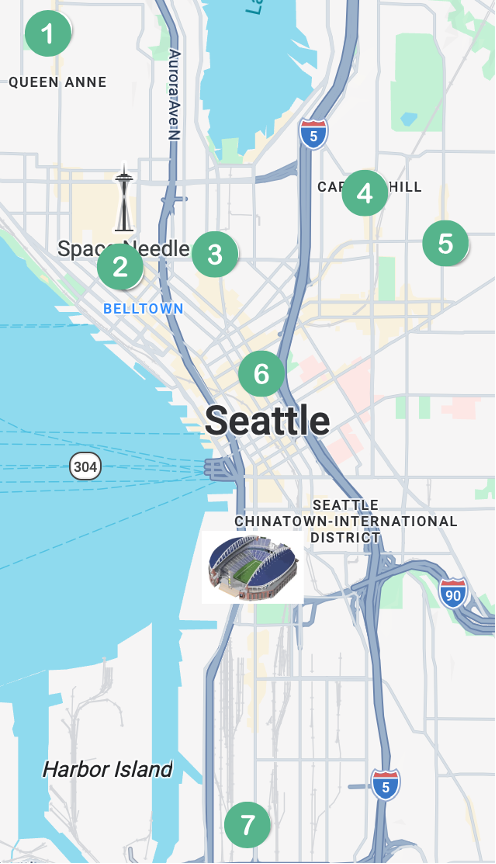
- ZoomCare Queen Anne
1909 Queen Anne Ave N, Seattle, WA 98109 - ZoomCare Belltown
2720 3rd Ave #2, Seattle, WA 98121 - ZoomCare South Lake Union
116 Westlake Ave N, Seattle, WA 98109 - ZoomCare Capitol Hill
531 Broadway E #10, Seattle, WA 98102 - Kaiser Permanente Capitol Hill Urgent Care
201 16th Ave E, Seattle, WA 98112 - ZoomCare Downtown Seattle
517 Union St, Seattle, WA 98101 - Concentra Urgent Care
3223 1st Ave S C, Seattle, WA 98134 - Seattle Roots Primary Care & After Hours Clinic
2101 E Yesler Wy, Seattle, WA 98122 - Seattle Roots Primary Care Clinic
510 19th Ave E, Seattle, WA 98112
Additional health clinic options (please call before visiting to confirm availability)
Paying for health care in the U.S.
Purchasing travel insurance can help to lower costs for health care during your visit. Paying up front for care and then seeking reimbursement from your insurance provider is often the easiest and most affordable way to pay for care. Save receipts and take pictures for reimbursement.
If you are experiencing a medical emergency, please dial 911. There is no cost to call and treatment is free. Should you need transport for further care, there is no charge for life-threatening transport by paramedics to a local area hospital.
For non-urgent medical transportation, you may be billed by the fire department or a private ambulance company. You may want to consider ride share options (Uber, Lyft) as an affordable alternative for less urgent medical situations.
Language and interpretation help
Call 1-877-211-9274 for help finding health and social services in King County. Press 2 for Spanish or 7 for additional languages.
Most clinics, health centers, and hospitals in King County offer language interpretation services at no additional cost. You can call in advance to confirm if interpretation is available at a location near you.
Seattle's Hearing, Speech & Deaf Center provides DeafBlind and ASL interpreting, including emergency services: visit https://hsdc.org or call 206-323-5770.
Food safety in King County
Tap water in Seattle and King County is safe to drink.
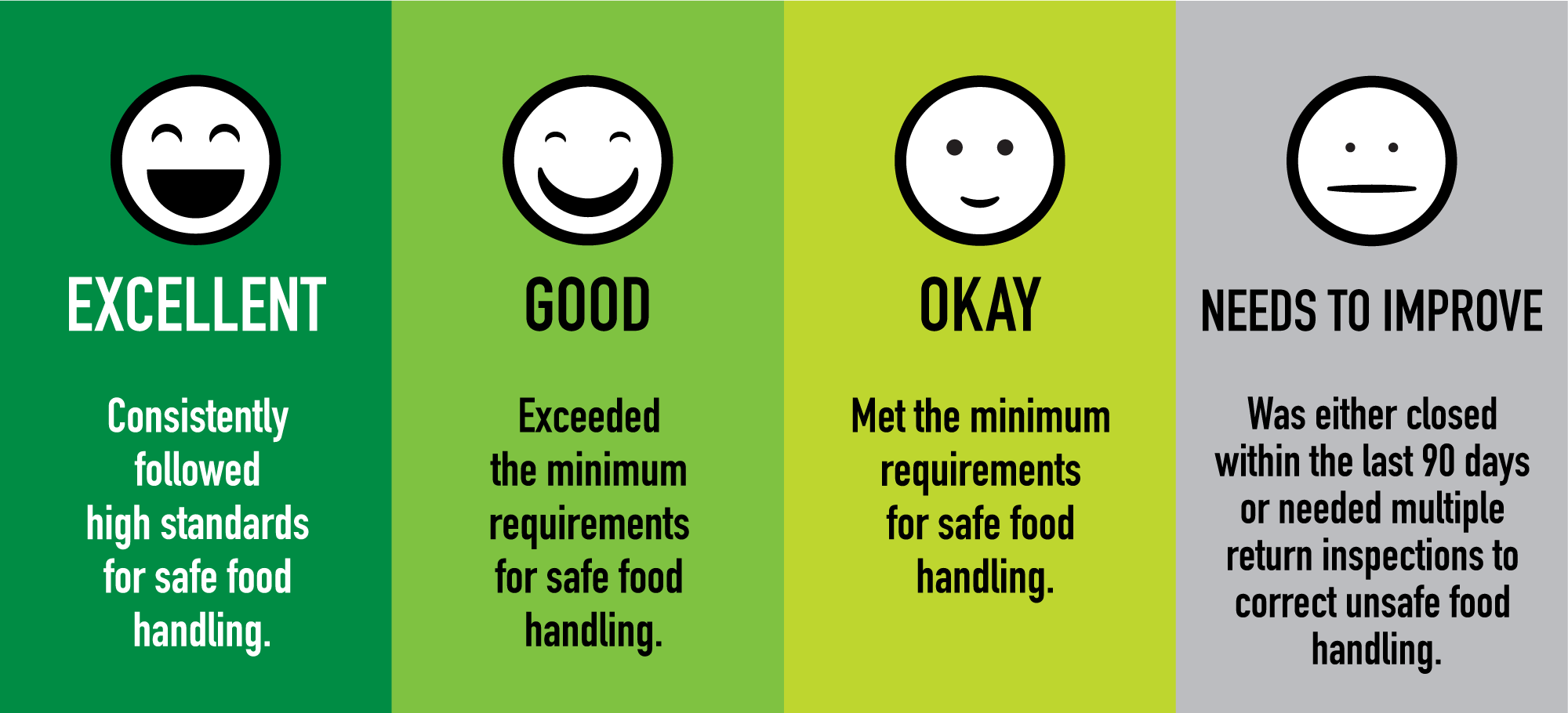
Only buy food from vendors that have a food safety rating sign (the green smiley face sign). This sign means the food business follows food safety practices and has a permit from the health department.
Foodborne illness can cause vomiting, diarrhea, stomach cramps, or fever. Seek medical care if symptoms are severe, last more than a few days, or if you cannot keep fluids down.
More resources:
Severe weather and outdoor safety
Who is at higher risk: Adults ages 65 and older, children ages 18 and younger, people with chronic health conditions or mental illness, and people who exercise outdoors are at higher risk from extreme heat and wildfire smoke.
Hot days: When it’s hot outside, drink lots of water and take breaks in the shade or an air-conditioned space. A wet towel or cloth around your neck can help your body cool down. Watch for symptoms of heat stroke and call 911 if someone has: an extremely high body temperature (above 103°F/40°C); red, hot, and dry skin; a rapid, strong pulse; or nausea, confusion and unconsciousness. Call 1-877-211-9274 to find a cooling center near you.
Wildfire smoke: If wildfire smoke is in the air, enter "Seattle" or your current location at AirNow.gov and move indoors if AQI is 150 or higher (red, purple, or dark red). People at higher risk from smoke should stay indoors when AQI is 100 or higher (orange). If you cannot avoid going outside, an N95 mask offers good protection for most people. Call 911 if you have difficulty breathing or chest pain.
Cold water shock: Even when the air is hot, rivers and lakes in King County can run very cold from melting snow. Cold water can trigger an involuntary gasp and rapid breathing that can cause drowning within seconds, even for strong swimmers and close to land. Always wear a life jacket and enter cold water slowly—especially kids!
Beach closures: For lake beaches, check our swimming beach conditions web page to see if a beach is open or closed because of the water quality. Avoid touching any water that looks green, slimy, or has a strong smell
More resources
- Hot weather – King County
- Cooling centers, Washington 2-1-1
- Water safety – King County
- Wildfire smoke – King County
- Current heat conditions and forecast from the National Weather Service
- Current wildfire smoke conditions and forecast from AirNow.gov
Keep children safe
Children are at higher risk from heat. Never leave children in a parked car for any amount of time, even with the windows open. A car can get dangerously hot in seconds.Drink plenty of water, wear hats, and reapply sunscreen every 2 hours. In very hot weather, take breaks in an air conditioned space, and place a wet shirt or scarf around your child's neck to help cool their body down. Find more information at kingcounty.gov/beattheheat.
If you get separated, make a plan for where to meet and talk about how to ask adults for help. Have them carry and practice using a whistle, and consider keeping an AirPod, AirTag, or other bluetooth tracker in their pocket. Spend time every day memorizing and repeating your phone number, and consider getting a bracelet with contact information.
Wear ear protection inside stadiums and other loud areas. And remember to pack snacks!
How to avoid getting sick during your visit
When traveling, you may get exposed to common illnesses such as respiratory disease, vaccine-preventable infections, and stomach illnesses. We want to help you to remain healthy during your visit to King County. Here are some tips to reduce your risk of being sick:
- Wear a well-fitting, high-quality mask in indoor, crowded public spaces including airports, airplanes, buses, and trains. This can help reduce your risk of respiratory infections like COVID-19, influenza, or RSV.
- Stay up to date with routine vaccinations like measles, COVID-19, and pertussis. Talk to your doctor about what vaccines they recommend prior to your travel.
- Only buy food from vendors or restaurants with a food safety rating sign. Wash your hands frequently to help prevent gastrointestinal/stomach illness.
- If you are ill, stay at home or in your hotel and away from other people to prevent spreading the illness to others. Watch for symptoms like fever, cough, sore throat, shortness of breath, diarrhea, vomiting, rash, or unusual fatigue, especially if symptoms are severe, spreading to others, or don't improve. If you require medical attention, please see the How to get health care in King County section above.
Our respiratory illness data dashboards show local infection trends including COVID-19, influenza and RSV. More data and resources are available at the links below.
More King County resources
Marijuana, Fentanyl, and other drugs
Marijuana
Marijuana products in Washington state may be stronger and have more THC than the products you are used to.
Marijuana edibles typically come in 10 mg servings, but many people feel effects starting at 2.5 mg. Taking too much can feel like dizziness, panic, paranoia, hallucinations, fast heart rate, or nausea and vomiting. Call the Washington Poison Center's hotline for free expert help if you experience these effects at 1-800-222-1222.
If you choose to use marijuana edibles, start with part of a serving, and wait at least 90 minutes and up to 3 hours to feel the effects. Remember start low, go slow, and learn what to look for at Cannabis Safely.
Fentanyl
Fentanyl is a strong synthetic opioid that is found in powder and rock drugs and pills in the Seattle area. Using fentanyl puts you at risk of overdose and death.
People in the area have overdosed on fentanyl after using what they thought was cocaine. Fentanyl looks just like other powder and rock drugs like cocaine, making it easy to mix them up during distribution and use. Most pills containing fentanyl are blue with the marking M30. These are not from a pharmacy.
A very small amount of fentanyl can be enough to cause you to overdose. Take steps to reduce your risk:
- Test your drugs for fentanyl. Fentanyl test strips are available to purchase online.
- Avoid using drugs alone
- Avoid using multiple substances at once (including alcohol)
- Start with a small amount to see how it affects you
- Carry naloxone and know the signs of opioid overdose
If you suspect an overdose, call 911 right away and say the language you speak once connected. Washington has laws that protect you and the person overdosing from prosecution for drug possession.
Naloxone, the medication that can reverse an opioid overdose, is available over the counter without a prescription in Washington. Naloxone is available at many major retailers and pharmacies.
Learn the signs of overdose and how to use naloxone at kingcounty.gov/overdose/care
Sexual health resources
Free condoms are available in Seattle and King County. Check the Free Condoms in Washington Map to find a location near you. Gold-colored pins show locations near World Cup Fan Zones.
Seek care if you have symptoms of a sexually transmitted infection, including unusual discharge from the genitals, burning or pain during urination, sores or bumps on the genitals, mouth, or anus, itching or irritation, or pelvic or testicular pain, etc. Services are confidential, and many are affordable and available regardless of insurance or immigration status.
The Public Health Sexual Health Clinic at Harborview Medical Center offers free resources, including testing and treatment for HIV and sexually transmitted infections, HIV PrEP and PEP, DoxyPEP (228 KB), mpox vaccines, condoms, and more.
- Address: Ninth and Jefferson Building, 908 Jefferson St, 11th Floor, Seattle, WA
- Hours: 7:30 am to 6 pm Monday, 9:30 am to 6 pm Tuesday, and 7:30 am to 6 pm Wednesday, Thursday, and Friday. Closed on Saturday and Sunday.
- Find more information at kingcounty.gov/SHC, or call 206-744-3590.
More resources:
King County health resources
- Public Health – Seattle & King County main website
- Crisis care for a mental health or drug related crisis
- Follow us on Facebook, Instagram, YouTube, X, and our blog for the latest updates
- City of Seattle Emergency Management
- KCemergency.com blog
More resources for visitors
- U.S. travel information for international visitors
- King County Trip Planner - Buses, trains and other transit information
- Know before you go – Seattle Lumen Field (Seattle Stadium)
- Washington State Department of Health
- Seattle FIFA World Cup resources
- Visit Seattle- Events and tourism resources